How Invisalign Technology Has Changed Orthodontics
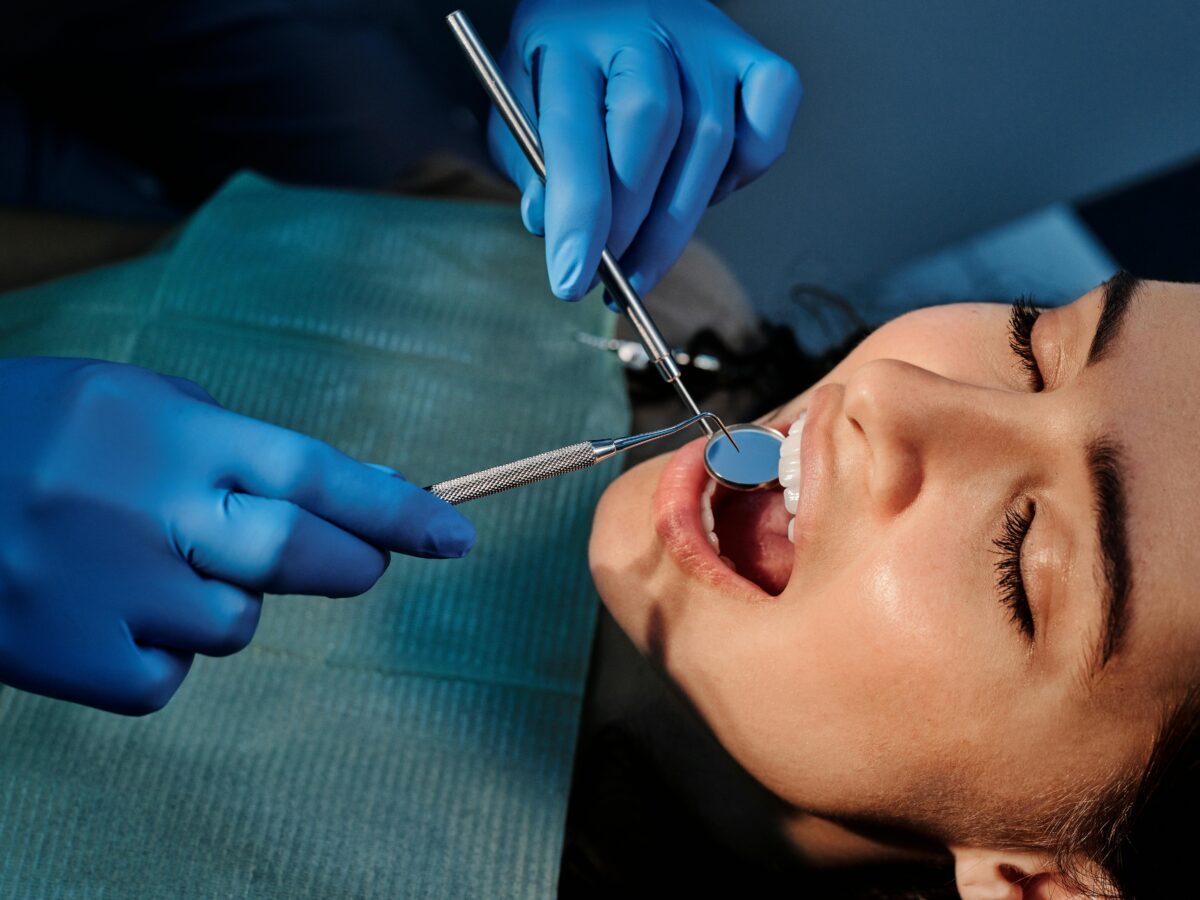
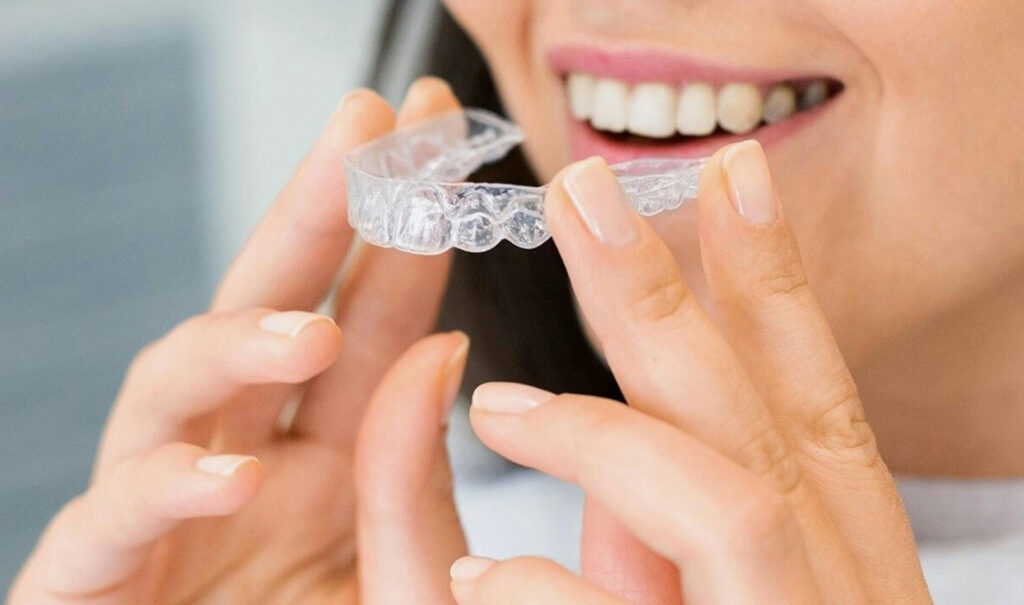
Orthodontics used to ask patients for a fairly simple trade: accept visible hardware, regular tightening appointments, and a long treatment timeline in exchange for straighter teeth. For decades, that model worked well enough. Braces remain an excellent treatment in many cases, and for some problems they are still the best tool available. But the arrival and steady refinement of Invisalign changed more than the appearance of orthodontic treatment. It changed expectations, clinical workflows, patient participation, and even the way many practitioners plan tooth movement.
That matters because orthodontics is not just about straight teeth. It sits at the intersection of function, health, appearance, and daily life. A teenager navigating school photos, a salesperson speaking to clients every day, a parent trying to keep oral hygiene manageable, or an adult returning to treatment after years of crowding all experience orthodontics differently. Invisalign entered that landscape as a cosmetic alternative in the public imagination, but its deeper impact has been technological and clinical.
The real story is not that clear aligners replaced braces. They did not. The story is that Invisalign pushed orthodontics toward digital precision, broader adult acceptance, and a more patient-centered treatment model.
From visible mechanics to digital planning
Traditional orthodontics relies on brackets, wires, elastics, and carefully timed adjustments to deliver force to teeth. It is an elegant mechanical system, and in experienced hands it remains remarkably effective. Invisalign approached the same biological problem from another angle. Instead of attaching a fixed appliance and modifying it over time, the system uses a series of removable aligners, each designed to move teeth incrementally according to a digital treatment plan.
That shift sounds simple on paper. In practice, it changed the rhythm of care.
Rather than beginning with impressions, models, and a rough sequence of mechanical goals, orthodontists increasingly start with digital scans and software simulations. In many offices, the first appointment where treatment is discussed now includes a 3D scan of the teeth and a visual preview of proposed movement. Patients can see the arc of their treatment before the first aligner is ever made. That visual component has had a surprisingly large effect on case acceptance. People understand what they can picture.
The software behind Invisalign also altered the planning mindset. Tooth movement is still governed by biology, bone remodeling, periodontal limits, root position, and patient compliance. No software can overrule those realities. But digital staging allows the clinician to break movement down with extraordinary granularity. Rotation, intrusion, extrusion, torque, and arch coordination can be sequenced in a way that is much more explicit than older model-based planning methods. The orthodontist is not simply reacting at each wire adjustment. They are mapping a pathway in advance, then monitoring whether reality matches the plan.
That does not mean treatment runs on autopilot. Quite the opposite. The better the software became, the more it highlighted the value of clinical judgment. Small decisions about attachment design, interproximal reduction, overcorrection, elastic wear, and refinement timing can determine whether a clear aligner case progresses smoothly or stalls. Technology expanded possibilities, but it also made expertise more visible.
The rise of adult orthodontics
One of the clearest ways Invisalign changed orthodontics is by bringing adults into treatment at a scale that was uncommon before. Adult orthodontic patients were always present, but they were a smaller share of most practices. Many postponed treatment for years because they did not want metal braces in professional or social settings. Clear aligners lowered that barrier.
In everyday practice, this has been one of the most noticeable changes. Adults who ignored mild crowding in their twenties often seek treatment in their thirties, forties, or later after noticing wear, shifting, black triangles, or relapse from childhood braces. Some have restorative plans involving implants, veneers, or periodontal treatment, and they need alignment first. Others are motivated by photographs, video calls, or a simple desire to address something that has bothered them for years.
Invisalign met these patients where they were. The appliance is discreet, removable for meals, and easier to integrate into business travel, public speaking, dating, weddings, or parenting. That practicality made orthodontics feel less like a disruption and more like a manageable project.
There is a cultural shift embedded in that change. Orthodontics stopped being viewed primarily as a teenage rite of passage. It became something adults could do without putting the rest of life on hold. Practices responded by changing office design, appointment scheduling, financing models, and communication style. Evening appointments, digital check-ins, and cosmetic consultations are much more common now partly because Invisalign attracted a different patient profile.
Better diagnostics, better records, better conversations
Orthodontic technology was becoming more digital even without Invisalign, but the popularity of clear aligners accelerated adoption. Intraoral scanners are a good example. Traditional impressions with alginate or polyvinyl material worked, but they were messy, technique-sensitive, and unpleasant for many patients. Digital scanning improved comfort and often improved accuracy, especially when combined with immediate chairside review.
The practical gains are substantial. A scan can be enlarged on screen, rotated, measured, and compared over time. If a molar was missed or a gingival margin was distorted, the area can be rescanned immediately. Offices no longer need shelves full of stone models for every active patient. Records can be sent quickly to labs or specialists, and treatment discussions become much more visual.
That visual element changed patient communication in a meaningful way. Orthodontists have always had to explain concepts that are not intuitive, such as midline discrepancies, crossbites, overjet, posterior open bite risk, or root control. Software models gave clinicians a common language with patients. When someone can see crowding unravel in a simulation, the reason for attachments or elastics is easier to grasp. When they can compare their current scan with the treatment goal, compliance tends to improve.
It is worth noting a caution here. Simulations are tools, not promises. Real teeth move through living tissue, not through computer graphics. Experienced orthodontists spend time framing the preview correctly. It shows an intended pathway, not a guaranteed frame-by-frame outcome. That distinction protects trust. Patients do better when the technology is presented honestly, with its strengths and its limits.
Precision has improved, but so has the need for discipline
A common misconception is that Invisalign made orthodontics easier. For the patient, in some ways it did. There are no emergency visits for broken brackets or poking wires, and brushing and flossing are simpler because the appliance comes out. But aligner treatment introduced a different kind of discipline.
Success depends heavily on wear time. A patient who wears aligners 20 to 22 hours a day is playing a different game than one who removes them for long lunches, frequent coffee, and sporadic evenings out. Two patients with the same digital plan can end up with very different outcomes because one treated the trays like an appliance and the other treated them like an accessory.
That dependence on compliance changed case selection and monitoring. Orthodontists became more attentive to personality, routine, motivation, and communication style. A highly detail-oriented adult with a predictable schedule may thrive with Invisalign. A teenager who constantly misplaces aligners might not. Some younger patients do exceptionally well, especially when parents are engaged and treatment is broken into clear milestones. Others are better served by fixed appliances that work around inconsistent habits.
Clinically, Invisalign also sharpened the profession’s understanding of which movements are straightforward and which require more planning. Mild to moderate crowding, spacing, and many relapse cases are often very well suited to aligners. Rotations of rounded teeth, significant extrusion, severe skeletal discrepancies, and certain bite corrections can be more demanding. Over the years, attachments, optimized force features, elastics, precision cuts, and refined staging have expanded what is possible. Cases once thought unsuitable for clear aligners are now routinely treated by skilled providers. Still, there are limits, and good orthodontists are candid about them.
That candor is one of the healthiest ways the technology has changed practice. It forced a more nuanced conversation around indications. The old question was, "Can this case be treated with aligners?" The better question now is, "What approach gives this patient the best balance of efficiency, control, esthetics, comfort, and predictability?"
Attachments, auxiliaries, and the end of the “simple tray” myth
Early public marketing gave many people the impression that Invisalign was little more than a sequence of passive plastic shells. Anyone who has treated or undergone a modern clear aligner case knows that idea is outdated.
Contemporary Invisalign often includes bonded attachments that act like handles, allowing the aligner to grip a tooth and deliver a more specific force system. Interproximal reduction may be used to create fractions of a millimeter of space. Elastics can help with bite correction. In some cases, temporary anchorage devices, limited braces, or restorative planning are part of the bigger picture. The aligners remain the main appliance, but they are not always working alone.
This is an important development because it reflects the maturation of clear aligner orthodontics. The profession moved beyond the simplistic comparison of “plastic trays versus braces” and into a hybrid era where biomechanics are customized more intelligently. Invisalign did not erase traditional orthodontic principles. It absorbed them into a different delivery system.
That has changed patient education as well. Patients often begin treatment because they want something less visible. They stay on track when they understand that esthetic treatment still demands active mechanics and cooperation. A row of nearly invisible trays can mask a very sophisticated plan underneath.
The effect on treatment efficiency and office workflow
Technology rarely changes only the treatment itself. It changes the business and logistics around treatment, and Invisalign is no exception.
A modern aligner-based workflow often means fewer in-person emergency visits, different appointment intervals, more up-front planning time, and stronger integration of digital records. Some practices bundle several aligners at once and see patients at wider intervals if tracking is good. Others use remote monitoring tools to check fit between visits, catching problems early before several trays are lost to poor tracking.
For busy adults, that can be a major advantage. Fewer office disruptions matter when treatment must fit around jobs, childcare, or travel. For practices, it changes chair time allocation. Instead of frequent wire changes and repairs, more effort may shift to treatment design, attachment placement, progress scans, and refinements.
Refinements deserve special mention because they are a central part of real-world Invisalign care. Very few cases, especially anything beyond minor alignment, finish exactly on the initial series of aligners. Teeth do not always track perfectly. Posterior settling may need attention. Midlines may need adjustment. Small rotations can persist. The refinement phase is not necessarily a sign that treatment failed. It is often part of responsible finishing.
That said, refinements can affect total treatment time, and this is where expectation management matters. Patients sometimes assume clear aligners are always faster than braces. Sometimes they are. Sometimes they are comparable. Sometimes poor wear habits make them slower. The most accurate message is that efficiency depends on case complexity, compliance, and planning quality more than on marketing claims.
Oral hygiene, comfort, and quality of life
One reason Invisalign has remained so popular is that it addresses the daily inconveniences that make people dread orthodontics. Removability is not a small feature. It changes eating, cleaning, and comfort in practical ways.
Patients can brush and floss normally, which reduces the plaque retention problems commonly associated with brackets and wires. That is especially useful for adults with existing crowns, recession, or periodontal concerns, though they still need to be diligent because aligners can trap saliva and any residual sugar against the teeth. Someone who sips sweetened coffee all morning with trays in place is not doing their enamel any favors.
Comfort is another area where aligners often have an edge, though not universally. The pressure from a new tray can be noticeable for a day or two, but there are no sharp brackets abrading cheeks and lips. Speech adjustment is usually mild and temporary, though some patients notice a lisp at first. The plastic edges need to be well-trimmed and the fit must be accurate. When they are, most patients adapt quickly.
The quality-of-life improvement is not trivial. It is one reason adherence can be strong even during long treatment plans. People are more willing to continue when the appliance integrates smoothly into meals, meetings, travel, and photographs. Orthodontics became less conspicuous and, for many, less psychologically burdensome.
Where Invisalign has limits
Any serious discussion of how Invisalign changed orthodontics has to address where it does not dominate. Braces still offer unmatched direct control in many complex situations. Impacted teeth, severe vertical discrepancies, major skeletal issues, complicated extraction mechanics, and cases needing extensive root movement may be treated more predictably with fixed appliances, or with a combination approach.
There is also the matter of access and cost. Clear aligner treatment can be expensive, and digital systems require investment from practices in scanners, software, training, and workflow changes. Some patients choose braces because they are more affordable. Others begin Invisalign and underestimate the responsibility involved, which can compromise outcomes.
Another issue is market confusion. As clear aligners became more popular, the space filled with direct-to-consumer products and simplified cosmetic alignment promises. That blurred the distinction between moving visible crown position and managing full orthodontic health. Bite relationships, root position, periodontal status, airway concerns, temporomandibular symptoms, and restorative planning all require professional oversight. Invisalign helped popularize orthodontic treatment, but it also created a need for clearer public education about why supervision matters.
That may be one of the most important indirect effects of the technology. It forced the profession to explain its value more clearly. Straightening teeth is not just about appearance. It is diagnosis, biomechanics, biology, and long-term stability.
What the technology changed in the clinician’s role
Some outsiders assume that more software means less need for specialist skill. In orthodontics, the opposite has often proven true. Invisalign did not reduce the clinician’s role. It redefined it.
The orthodontist now spends more time interpreting scans, designing force systems within software constraints, deciding when to overcorrect, monitoring tracking, and judging when the biology is diverging from the digital plan. Treatment has become more data-rich, but also more dependent on subtle decisions. If a lower canine is not tracking, does the case need more wear time, a chewable aid, a new attachment, additional space, or a refinement scan? If posterior open bite appears late in treatment, is it transient, aligner-induced, or related to staging? These are not software questions. They are clinical questions.
That shift has elevated the importance of experience. Two providers can use the same platform and produce very different results. The technology is powerful, but it is not self-executing. In many respects, Invisalign exposed the craft inside orthodontics more clearly than braces ever did, because digital planning makes every choice legible.
The broader legacy of Invisalign in orthodontics
Even if a practice does not treat every patient with Invisalign, it operates in a field shaped by its influence. Patients now expect digital imaging, treatment previews, esthetic options, and more flexible care pathways. Orthodontists are more digitally fluent. Labs and manufacturers are more integrated with 3D workflows. Retainers, indirect bonding systems, custom appliances, and interdisciplinary planning have all benefited from that wider digital infrastructure.
Perhaps the most lasting change is conceptual. Orthodontic treatment https://belisadbnr.gumroad.com/p/can-invisalign-help-you-achieve-a-healthier-bite-0a88c2f1-2b3b-4f4d-9e33-ab2197de6c78 is no longer defined only by the appliance attached to the teeth. It is defined by a treatment ecosystem, one that includes digital records, simulation, manufacturing precision, patient behavior, and continuous reassessment. Invisalign helped normalize that model.
For patients, this has made treatment feel more approachable. For clinicians, it has created both opportunity and responsibility. The opportunity is to deliver highly personalized care with better visualization and often better patient acceptance. The responsibility is to avoid oversimplifying treatment just because the appliance looks simple.
Invisalign changed orthodontics because it did more than hide the hardware. It moved the specialty toward digital planning, expanded treatment among adults, improved communication, and sharpened the profession’s thinking about biomechanics and compliance. It also reminded everyone involved of a truth that still anchors good care: no technology replaces sound diagnosis, realistic expectations, and disciplined execution.
That is why its impact has lasted. The trays may be clear, but the change they brought to orthodontics has been impossible to miss.
Omni Dental Specialty
Address: 1690 E Gonzales Rd, Oxnard, CA 93036
Phone number: +18053666000
FAQ About Invisalign
How much does Invisalign actually cost?
The out-of-pocket cost for Invisalign typically ranges between $3,000 and $8,000, with most patients paying a national average of roughly $5,100 to $5,700 before insurance.
What is the downside to Invisalign?
The biggest downsides to Invisalign are the intense discipline required to wear the trays 22 hours a day, the inconvenience of removing them to eat or drink, and the inability to fix severe, complex orthodontic issues.
Is $5000 a lot for Invisalign?
No, $5,000 is not considered a lot for Invisalign; it is exactly the national average. Treatment costs typically fall between $3,000 and $8,000, and $5,000 is the standard fee for a moderately complex case that takes 6 to 18 months to complete.