Urgent Dental Emergenc Care in Plano TX for Weekend Pain
Weekend dental pain has a way of taking over everything. A mild throb on Friday afternoon can become a sleepless, pulse-like ache by Saturday night. By Sunday morning, even coffee feels impossible, your jaw feels tight, and every small chore starts to revolve around the question of how soon you can get help.
That pattern is common, and it is one reason urgent dental care matters so much. Dental problems rarely improve just because the calendar says the office is closed. Cavities do not pause on weekends. Infections do not wait for Monday. Cracked teeth often become more painful after a day or two of chewing, clenching, and exposing the damaged area to hot and cold foods.
For families in Plano, the challenge is not only the pain itself. It is figuring out what counts as a true emergency, what can safely wait a few hours, and where to go when the discomfort starts escalating outside normal business hours. People often search for terms like Dental Emergency Plano TX when they are already stressed, tired, and worried about cost. In that moment, clear judgment matters more than generic advice.
The first thing to understand is simple. Severe dental pain is not something to “tough out” if it is getting worse, waking you up, or coming with swelling, fever, bleeding, or trauma. Those details help separate a bothersome problem from one that can become serious quickly.
Why weekend tooth pain tends to feel worse
Dental pain often intensifies at night and over the weekend for practical reasons. During the workweek, people stay distracted. They sip water, keep moving, and postpone dealing with a tooth that feels slightly “off.” Once the house gets quiet, the discomfort becomes harder to ignore. Lying down can also increase pressure in the head and make throbbing more noticeable.
There is another pattern dentists see often. People spend weekends eating differently. Hard crust pizza, chips, ice, chewy candy, steak, and even popcorn kernels can expose cracks, dislodge temporary fillings, or lodge debris around an inflamed gumline. Add a little stress-related clenching during sleep, and a manageable problem can tip into a true urgent visit.
I have seen patients walk in convinced that the pain “came out of nowhere,” only to realize the tooth had been warning them for weeks. A sharp zing with cold drinks, food packing in one spot, tenderness when chewing on one side, or gum irritation around a partially erupted wisdom tooth are all early signs that something is brewing. By the time pain becomes constant, the underlying issue is usually more advanced.
Problems that commonly trigger urgent dental visits
Not every toothache has the same cause. The treatment for a cracked molar is different from the treatment for an abscessed tooth, and both are different from pain caused by an inflamed sinus pressing on upper back teeth. Weekend emergencies tend to fall into a few recognizable categories.
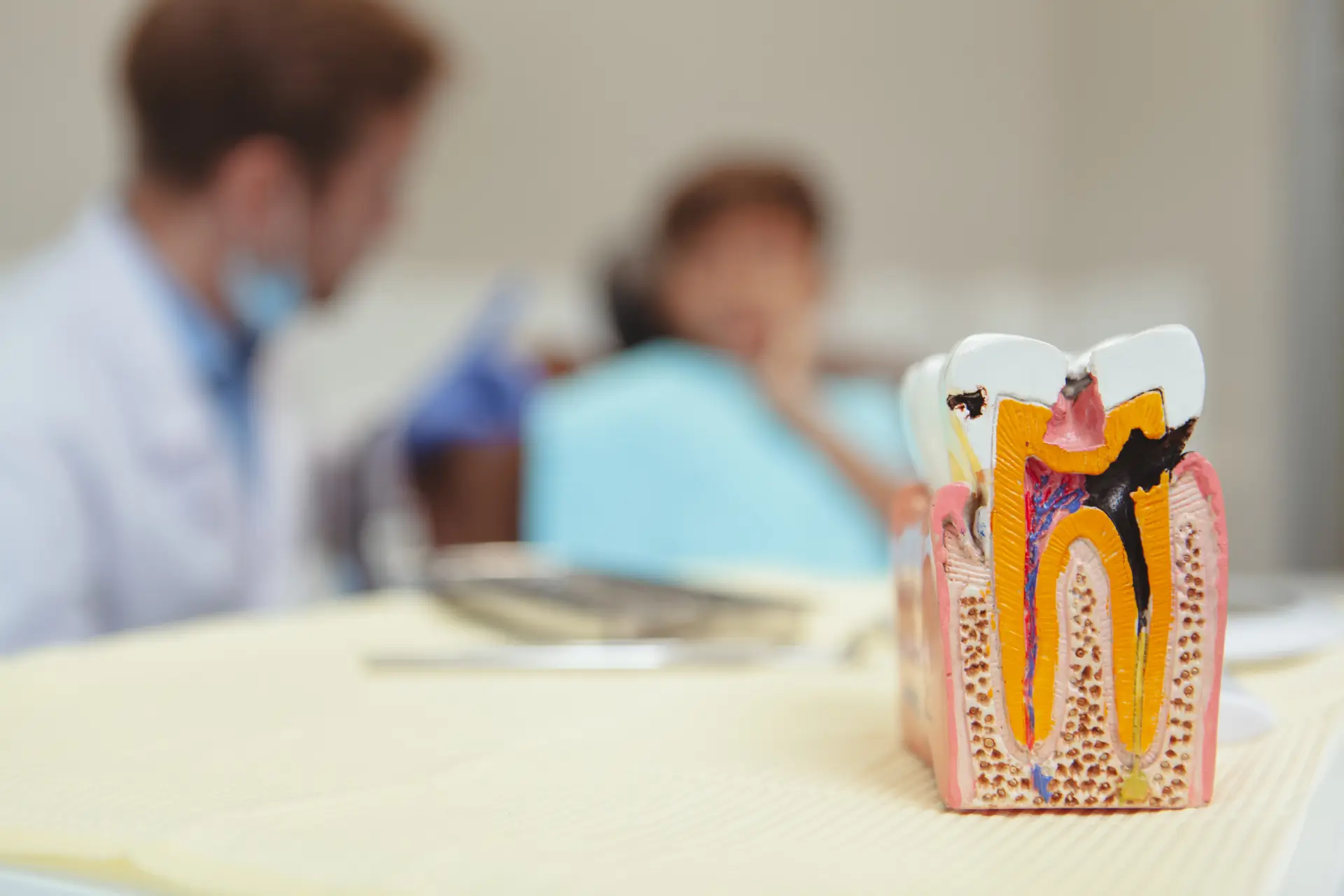
Deep decay is one of the most common. When a cavity reaches the nerve, pain can turn from occasional sensitivity into spontaneous throbbing. Patients often describe it as a heartbeat in the tooth, especially after sweets, cold air, or lying down. If the nerve is inflamed but still alive, the pain may flare unpredictably. If the tooth becomes infected, swelling and severe pressure can follow.
Cracked teeth are another frequent culprit. A crack may not be visible to the naked eye, and sometimes the tooth looks almost normal. The clue is the pattern. Pain occurs when biting down, or even more characteristically, when releasing the bite. A patient might say, “It hurts when I chew on bread” or “Only sometimes, and then it really catches me.” Those details matter.
Lost fillings, loose crowns, and broken teeth also spike on weekends. In many cases, the restoration has been weakening for some time. A caramel candy, a crunchy snack, or nighttime grinding finishes the job. Once the protective structure is gone, dentin or nerve tissue can become exposed, leading to rapid sensitivity.
Gum and wisdom tooth issues often feel different but can be just as disruptive. Food and bacteria can collect around partially erupted wisdom teeth, causing swelling, bad taste, pain when swallowing, or trouble opening the mouth fully. Gum abscesses can also create sharp, localized pain and puffiness along the gumline.
Then there are trauma cases. Sports, falls, accidental elbow contact in the pool, and simple household mishaps can chip, loosen, or knock out teeth. These are time-sensitive, especially when a permanent tooth has been displaced.
When pain crosses into emergency territory
Many people hesitate because they do not want to overreact. That instinct is understandable, but there are moments when waiting is the bigger risk. A good rule is to pay attention to intensity, duration, swelling, and function. If the pain is severe enough to interrupt sleep, prevent eating, or keep getting worse despite over-the-counter medication, it deserves prompt attention.
Seek immediate help if you notice any of the following:
- Swelling in the face, gums, or jaw, especially if it is spreading
- Fever, foul taste, or drainage that suggests infection
- Trauma that leaves a tooth loose, broken deeply, or completely knocked out
- Bleeding that does not stop with pressure
- Trouble swallowing, breathing, or opening the mouth normally
That last category deserves special emphasis. If swelling affects breathing, swallowing, or causes you to feel medically unwell, a hospital emergency room may be more appropriate than a dental office because the issue can involve the airway and broader medical management.
For less dramatic but still urgent situations, a same-day or next-day dental visit is often the right move. This includes severe toothaches, cracked teeth, broken restorations with exposed tooth structure, or swelling limited to the gums and cheek without systemic symptoms.
What to do at home while you are trying to be seen
Home care is not treatment, but it can buy time and reduce suffering. The biggest mistake people make is placing aspirin directly on the gum or tooth. That does not help the source of pain and can burn the tissue. Another common mistake is using very hot compresses on a swollen face, which may worsen the sensation of throbbing.
A more useful approach starts with gentle rinsing. Warm salt water can soothe irritated tissue and help clear debris. If a food trap is contributing to the pain, careful flossing around the area may provide relief. For swelling on the outside of the face, a cold compress for short intervals is generally more helpful than heat.
Over-the-counter pain relievers can help, provided they are safe for you based on your medical history and the label directions. Many adults get better short-term relief from anti-inflammatory medication than from relying on acetaminophen alone, though some people cannot take certain medications because of stomach issues, kidney disease, blood thinners, or other medical reasons. When in doubt, use the product exactly as directed and speak with a healthcare professional.
If a crown comes off cleanly, keep it. If a tooth breaks, save the fragment if you can find it. If a permanent tooth is knocked out, handling it by the crown rather than the root is important. In some cases, prompt reimplantation or storage in milk can improve the outcome before you reach a dentist. Timing matters greatly with trauma.
The difference between a dental office and the emergency room
This is one of the most misunderstood parts of urgent care. Hospital emergency rooms are essential for facial trauma, uncontrolled bleeding, severe swelling, fever with systemic illness, or anything affecting breathing and swallowing. They can manage pain, infection risk, imaging, and medical complications.
What they often cannot do is definitive dental treatment. An ER usually does not perform root canals, place crowns, drain localized dental abscesses in the way a dentist would, or restore a fractured tooth. Patients sometimes leave with medication and then still need a dentist the next morning.
That is why a true urgent dental provider is so valuable. A dentist can identify the actual source of pain, test the tooth, take dental radiographs, and provide treatment aimed at the cause, not just the symptoms. Depending on the diagnosis, that might mean adjusting a bite, placing a sedative filling, recementing a crown, draining an abscess, prescribing medication when appropriate, performing an extraction, or beginning root canal treatment.
For someone searching Dental Emergency Plano TX, the practical question is less https://titusghfo727.capitaljays.com/posts/how-to-choose-the-right-dental-emergency-plano-tx-clinic about labels and more about capability. You want the setting that can address what is actually happening. If it is an airway or systemic issue, go medical. If it is a tooth, gum, crown, filling, or localized dental infection, a dentist is usually the most direct route to relief.
What happens during an urgent dental visit
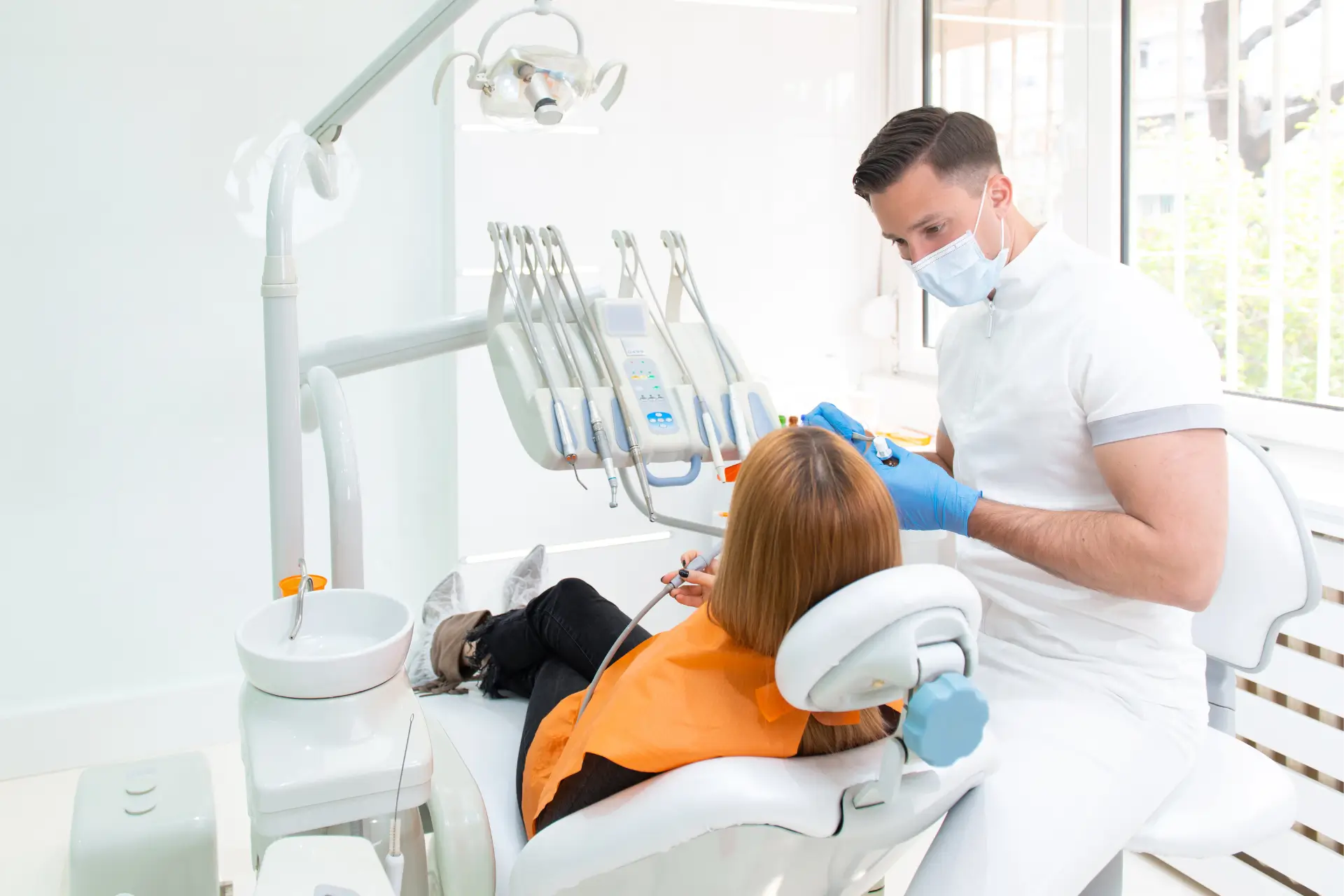
Patients are often nervous that an emergency visit will automatically turn into a long procedure. Sometimes it does not. The first goal is diagnosis. A careful dentist wants to know whether the pain comes from decay, a crack, gum disease, a bite problem, referred pain, or infection. That may involve an exam, X-rays, percussion testing, temperature testing, and looking at how the teeth come together.
Once the source is clear, the dentist usually focuses on stabilizing the problem and reducing pain. In some cases, the full definitive treatment happens immediately. A simple extraction for a non-restorable tooth may be done that day. A crown that popped off may be recemented quickly if the tooth underneath is sound. A draining gum abscess might be treated promptly.
Other situations require staged care. An inflamed tooth may need emergency treatment to calm symptoms first, then a root canal and crown later. A complicated crack may need temporary protection until the tooth can be evaluated for long-term restorability. Swelling may need urgent management before more extensive work is attempted.
That distinction matters for expectations. The purpose of urgent care is to stop the problem from worsening, relieve acute symptoms, and set up the right definitive treatment. Sometimes that all happens in one visit. Sometimes it unfolds over several appointments.
Cost concerns, and why waiting can become more expensive
Weekend pain often comes with financial anxiety. People worry that urgent care will cost more than waiting. Sometimes after-hours availability does involve different scheduling realities, and every practice sets fees differently. But delaying treatment can carry a larger price in both money and complexity.
A small cavity that causes sensitivity may be manageable with a filling. If it is left alone until the nerve becomes infected, the same tooth may need root canal treatment and a crown. A cracked tooth that might have been saved early can become split below the gumline and require extraction. A lost filling left open for days or weeks can lead to rapid breakdown of the remaining tooth structure.
There is also the cost of missed work, poor sleep, and the ripple effect on daily function. Anyone who has tried to coach a child’s soccer game, finish a shift, or sit through a family event with a throbbing molar knows how quickly dental pain wears down concentration and patience.
If cost is a concern, it helps to ask direct questions when calling. Ask what the emergency exam typically includes, whether X-rays are additional, what payment options are available, and whether treatment can be phased when clinically appropriate. A straightforward front desk team can often reduce a lot of uncertainty before you even arrive.
Special situations parents should watch in children
Children tend to minimize discomfort until they suddenly do not. By the time a child stops eating on one side, cries at bedtime, or wakes overnight with mouth pain, the situation may have progressed. Swelling, dental trauma, and prolonged pain in a child should be taken seriously, even if the affected tooth is a baby tooth.
A knocked-out baby tooth is handled differently from a knocked-out permanent tooth, which is why quick professional guidance matters. Parents should also watch for facial swelling, fever, and changes in behavior such as unusual fatigue or refusal to drink. Kids can deteriorate faster than adults when pain interferes with eating and hydration.
The practical challenge on weekends is that children are more likely to be injured outside routine hours. Trampolines, bikes, sports, pools, and roughhousing generate a steady stream of lip cuts, chipped front teeth, and loose teeth. Calm first aid helps, but getting the right examination is what protects long-term outcomes.
How to choose urgent dental care when you need it quickly
When people are in pain, they often choose the first name that appears on a search screen. That is understandable, but a few details can save time and frustration. Look for a practice that clearly mentions same-day urgent care, has a way to reach a clinician after hours or on weekends, and can provide diagnostic imaging on site. If sedation or extractions are sometimes needed, that capability may matter too.
The quality of the phone conversation tells you a lot. A well-run office will ask focused questions about swelling, trauma, fever, severity, and timing. They should explain whether your symptoms sound dental, whether you need immediate medical care instead, and how soon they can evaluate you. Vague reassurance without triage is not very helpful.
It also helps if the office is honest about limits. Not every practice performs every procedure, and that is fine. A trustworthy team will tell you if they can stabilize the issue and refer you for specialized follow-up, rather than overpromising.
Preventing the next weekend emergency
Dental emergencies are not always preventable, but many are predictable in hindsight. Teeth often fail at their weakest point, and the warning signs usually show up before the crisis. A crown that feels loose, a filling edge that catches floss, a back tooth that hurts when chewing nuts, or gum tenderness around a wisdom tooth are all worth addressing before the weekend tests them.
The highest-yield prevention habits are straightforward:
- Do not ignore sensitivity or pain that repeats, even if it comes and goes
- Use a night guard if you grind or clench and your dentist has recommended one
- Avoid chewing ice, popcorn kernels, and very hard candies on restored teeth
- Keep up with exams and X-rays so hidden decay and cracks are found earlier
- Address loose crowns, old large fillings, and wisdom tooth flare-ups before they escalate
People are often surprised by how many urgent visits involve teeth that already had large fillings, previous root canals, or old crowns. Those teeth can last a long time, but they need monitoring. Preventive care is not glamorous, yet it is usually what keeps a quiet Saturday from turning into a painful scramble.
A final practical word for Plano patients dealing with weekend pain
If you are dealing with weekend tooth pain in Plano, trust the pattern your body is showing you. Mild, fleeting sensitivity is different from a pain that wakes you at 2 a.m., spreads into the jaw, or comes with swelling. The longer severe dental pain lingers, the less likely it is to resolve on its own and the more likely it is to require more involved treatment.
The phrase Dental Emergenc may look like just another rushed search term typed through discomfort, but the need behind it is real. What matters is getting the right level of care quickly, protecting the tooth when possible, and preventing a localized problem from becoming a larger one.
A good urgent dental visit does more than dull pain for a few hours. It identifies the cause, gives you a practical plan, and restores a sense of control when the weekend suddenly stops feeling manageable. That is often the difference between enduring the pain and actually moving toward relief.
Vitality Dental
Address: 1220 Coit Rd #106, Plano, TX 75075
Phone number: +19726454100
FAQ About Dental Emergency Plano TX
What can the ER do for a tooth?
An emergency room (ER) can manage pain and treat severe infections with medication, but it cannot fix or pull a tooth.
What is considered a dental emergency?
A dental emergency is any oral health problem that involves severe pain, uncontrollable bleeding, or an infection that threatens your health or requires immediate care to save a tooth.
Is there a 24-hour dental service in Plano, TX?
There is no physical dental clinic in Plano, Texas, that stays open with walk-in staff 24 hours a day, but several offices offer 24/7 phone support, late-night hours, or same-day emergency care.