What to Do Before You Reach an Emergency Dentist
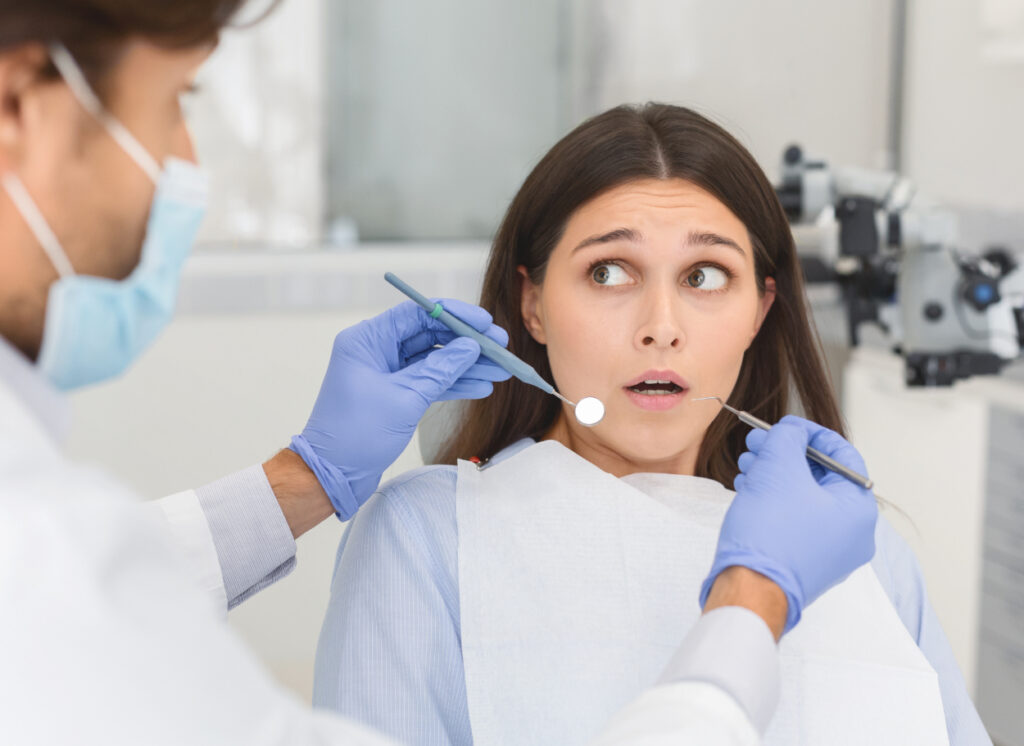

A dental emergency has a way of shrinking your world fast. One minute you are eating lunch, finishing a workout, or getting ready for bed. The next, you are holding your jaw, tasting blood, or trying not to panic because a front tooth is suddenly in your hand. In those first minutes, what you do matters. It can reduce pain, limit damage, and in some cases make the difference between saving a tooth and losing it.
People often assume the only useful step is to find an Emergency Dentist as quickly as possible. That part is true, but it is not the whole picture. The time before you reach the office matters just as much as the treatment itself. Good first aid protects teeth, gums, bone, and soft tissue. It also helps the dentist make cleaner, faster decisions once you are in the chair.
Dental emergencies come in different forms, and they do not all deserve the same response. A knocked-out tooth is handled very differently from a lost filling. A spreading facial swelling is a different kind of problem from a chipped molar with no pain. The common thread is urgency, judgment, and a calm sequence of steps.
Start by deciding whether this is truly urgent
Not every dental problem needs immediate care, but some absolutely do. Severe pain, uncontrolled bleeding, swelling that affects the face or gums, trauma to the mouth, a knocked-out permanent tooth, or a broken tooth with nerve exposure all justify same-day attention. Trouble swallowing, difficulty breathing, or swelling that seems to be moving into the cheek, eye area, or neck pushes the situation beyond routine dental urgency and into medical urgency.
That distinction matters because delay has costs. A tooth that is avulsed, meaning completely knocked out, has the best chance of survival when it is reimplanted quickly, often within 30 to 60 minutes if conditions are favorable. An untreated dental infection can move from a localized abscess to a larger facial infection. A crack that seems small at first can deepen under pressure and become unrestorable.
There is also the other side of the judgment call. A small chip with no pain, a crown that fell off but left no sensitivity, or mild irritation from a broken denture may feel alarming without being dangerous. Those situations still deserve prompt care, but they usually do not need the same level of immediate intervention. The goal before you call is not to diagnose yourself perfectly. It is to recognize the red flags that should move you faster.
Make the call early, not after you have tried everything else
A surprising number of people lose time trying home remedies before they contact a dental office. They rinse with mouthwash, search online forums, wait for over-the-counter gel to work, or hope the pain will “settle down.” That delay often complicates things.
Call an Emergency Dentist first, even if you are not sure how serious it is. Describe the problem clearly. Say when it started, whether there is swelling or bleeding, whether the tooth is loose, whether you had trauma, and whether you have fever or trouble opening your mouth. If a child is involved, mention the age, because management differs between baby teeth and permanent teeth.
A good dental team will tell you whether to come in immediately, what to do on the way, and whether your symptoms suggest a need for urgent medical care instead. They may also ask you to send a photo if the office uses secure messaging. That can help them prepare for splinting, extraction, endodontic treatment, or infection management before you arrive.
If you are calling outside office hours, listen carefully to the voicemail or after-hours recording. Many practices route emergencies to an on-call clinician. If you cannot reach anyone and symptoms are escalating, especially with facial swelling, fever, or breathing issues, go to an urgent care center or emergency department.
The first priorities are bleeding, pain, and swelling
Once the call is made, focus on basic control. If there is bleeding, apply firm pressure with clean gauze or a clean cloth. Do not keep removing the gauze every few seconds to check. Continuous pressure for 10 to 15 minutes is much more effective than repeated peeking. If the mouth keeps filling with blood after that, replace the gauze and continue pressure while you head for care.
For pain, a cold compress on the cheek helps more than many people expect, particularly in the first few hours after trauma or swelling begins. Wrap ice or a cold pack in cloth and hold it against the outside of the face in short intervals. Direct ice on the tooth or gums is usually too harsh and often increases discomfort.
Over-the-counter pain relievers can help, but use common sense and follow the package instructions. Acetaminophen may be preferable for people who should avoid nonsteroidal anti-inflammatory drugs. Ibuprofen can be useful when inflammation is part of the problem. If you have a bleeding disorder, kidney disease, liver disease, stomach ulcer history, are pregnant, or take blood thinners, your usual medication rules still apply. Dental pain does not erase those risks.
One thing worth saying plainly, because it still happens, is that aspirin should not be placed directly on the gums or tooth. It does not “kill the nerve.” It can burn the tissue and create an additional injury that the dentist now has to manage.
If a permanent tooth is knocked out, speed and handling are everything
A knocked-out permanent tooth is one of the few true race-against-the-clock moments in dentistry. The root surface contains delicate periodontal ligament cells. Those cells matter because they help the tooth reattach. Scrubbing, drying, or mishandling the tooth reduces the chance of successful reimplantation.
Pick the tooth up by the crown, which is the part normally visible in the mouth. Do not hold it by the root. If it is dirty, rinse it gently with milk or saline if available, or with clean water for just a few seconds. Do not scrub it. Do not wrap it in tissue. Do not let it dry out on a counter or in a pocket.
If the person is alert and cooperative, and if you can tell the orientation of the tooth, placing it back into the socket right away is often the best option. That can feel intimidating, but it is often the most tooth-saving step available before you reach the office. Once it is back in place, gentle pressure on gauze can help keep it stable.
If reinsertion is not possible, store the tooth in milk, saline, or in a tooth preservation solution if you happen to have one. Some people hold it inside the cheek, but that is less ideal for children or anyone at risk of swallowing it. Plain water is better than letting the tooth dry, but it is not the best storage medium for long.
A baby tooth is different. Do not try to reinsert a knocked-out baby tooth. That can damage the permanent tooth developing underneath. A child still needs prompt evaluation, but the management is not the same.
Broken, cracked, or displaced teeth need gentler handling than most people give them
When a tooth breaks but remains in the mouth, the damage can range from cosmetic to severe. A small chip in enamel may feel rough but cause little pain. A deeper fracture can expose dentin or the nerve, leading to intense sensitivity, bleeding from the pulp, or sharp pain with air and temperature changes.
Rinse the mouth gently with lukewarm water to clear debris. Save any broken fragments if you can find them. They are not always usable, but occasionally a fragment can be bonded back or provide useful information about the break. If the broken edge is cutting the tongue or cheek, dental wax or sugar-free chewing gum can be placed over the sharp area temporarily.
A tooth that is pushed out of position after trauma should not be forced aggressively. Light pressure may help if the displacement is minimal and obvious, but this is not the moment for determined self-correction. Further movement can worsen root damage or create additional fractures. Keep the bite as relaxed as possible and let the Emergency Dentist assess it.
Cracked teeth are especially tricky because they do not always look dramatic. A patient may say, “It just hurts when I bite one certain way,” or “I felt a sharp zing when chewing nuts.” That can still be a significant crack. Avoid chewing on that side, keep the area clean, and resist the temptation to test it over and over. Repeated pressure can turn a manageable crack into a vertical fracture that cannot be saved.
Swelling and dental infections deserve respect
A swollen gum or face is not just a comfort issue. It can signal infection, and infections in the mouth do not always stay put. A localized gum boil near one tooth may represent an abscess draining through the tissue. A tender swelling under the jaw may point to something deeper. If swelling is accompanied by fever, malaise, foul https://www.flickr.com/people/204698476@N05/ taste, limited mouth opening, or pain with swallowing, the level of concern rises.
Before you are seen, rinse gently with warm salt water if it feels soothing, but do not overdo it. Do not apply heat to the face in an attempt to “draw it out.” That old advice persists, and it often worsens swelling. Cold on the outside of the face is safer in the short term.
It is also worth avoiding a common mistake with antibiotics. Do not take leftover antibiotics from a previous illness or from someone else’s prescription. Wrong choice, wrong dose, and partially treated infection is a bad combination. Some dental infections require drainage, root canal treatment, or extraction in addition to medication. Antibiotics alone are not a substitute for proper care, and in certain cases they are not even the first answer.
A practical point from real emergency visits, swelling can progress overnight. If you go to bed with mild puffiness and wake with a visibly larger face, that is not the moment to “give it one more day.” Escalation tells you the process is active.
Lost fillings, crowns, and bridges are urgent in a quieter way
A crown that slips off during dinner usually does not create drama, but it can still become painful fast. Exposed tooth structure is often temperature-sensitive, and a prepared tooth can shift if left uncovered too long. If you still have the crown, rinse it and keep it safe. In some cases, an over-the-counter temporary dental cement can hold it briefly, but only if the crown fits cleanly and fully without forcing. Household glues do not belong anywhere near the mouth.
A lost filling leaves a cavity open to food, bacteria, and temperature. Temporary filling material from a pharmacy can buy time, especially if you are traveling or cannot be seen until the next day. It is a temporary measure, not a repair. If biting hurts, stay off that side.
Bridges and partial dentures that break can create both function and safety problems. Sharp metal or acrylic can cut tissue. A loose appliance can also become a choking risk during sleep. It is usually wiser to leave a damaged removable appliance out until it can be assessed.
What to avoid on the drive to the office
The period before treatment is not only about what to do. It is also about what not to do. Well-meant improvisation causes a fair amount of additional damage.
Here are the most useful restraints to keep in mind:
- Do not put aspirin, clove oil concentrates, alcohol, or household chemicals directly on the gums or tooth.
- Do not use super glue to reattach crowns, veneers, dentures, or broken tooth fragments.
- Do not ignore spreading swelling, fever, or trouble breathing because “it is only a tooth.”
- Do not keep chewing on a painful or cracked tooth to test whether it is getting better.
- Do not let a knocked-out tooth dry out or scrub the root clean.
Those five mistakes show up again and again in emergency care. Avoiding them can save tissue, reduce pain, and simplify treatment.
Keep the mouth clean, but do it gently
People often swing too far in one direction after dental trauma. They either avoid touching the mouth entirely or brush it aggressively because they are afraid of infection. The middle path is better.
If there is no heavy bleeding, a gentle rinse with lukewarm water helps remove debris. If brushing is tolerable, use a soft brush around the area with a light hand. Food trapped near a fracture or exposed nerve can make pain worse, but aggressive poking with floss picks or improvised tools often creates more trouble than it solves.
Children sometimes need extra reassurance here. A child with a bloody lip and a chipped tooth may refuse to let anyone look inside. Calm voice, simple instructions, and avoiding dramatic reactions matter more than people think. If the adult is panicked, the child usually escalates too. In those situations, getting to the office with as little repeated handling as possible is often the most realistic goal.
If the injury followed a fall or blow, think beyond the teeth
Dental trauma sometimes arrives as part of a larger injury. A split lip, jaw pain, headache, or dizziness changes the picture. If the person lost consciousness, vomited, cannot remember the event, or has obvious facial asymmetry, those issues may outrank the tooth problem for the moment.
Jaw fractures are occasionally missed because everyone is focused on the broken tooth. Clues include a bite that suddenly feels “off,” pain near the ear when closing, numbness in the lower lip, or inability to open normally. Those signs deserve prompt professional assessment, and sometimes imaging beyond what a general dental office can provide.
This is one of the biggest judgment calls in emergency care. The mouth is dramatic, and bleeding there looks worse than it often is. But if there is any concern for head injury or compromised airway, treat it as a medical emergency first.
Prepare for the appointment so the office can help you faster
The smoother the handoff, the better. Bring the tooth or fragments if you have them. Note the time the injury happened. If you took pain medicine, know what you took and when. Bring a medication list if you have one, especially if you take blood thinners, bisphosphonates, or immune-suppressing drugs. If the injury occurred during sports, work, or a car accident, mention that at check-in because documentation can matter.
If you have swelling or trauma, remove lipstick or heavy makeup before the visit if possible. It sounds minor, but clear visibility helps the team assess soft tissue injuries. If a child is the patient, bring a favorite comfort item and be honest about whether they have eaten recently, since that can matter if sedation becomes part of the plan.
A short preparation checklist helps:
- Bring any tooth, crown, filling, or broken fragments in a clean container.
- Write down when the pain, injury, or swelling started.
- Note any medicines taken in the past several hours.
- Pack your ID, insurance card if applicable, and a list of medical conditions.
- If possible, arrange a ride home in case treatment, pain, or medication makes driving unwise.
These details save time once you arrive, and time is often the one thing emergency care never seems to have enough of.
A few edge cases people ask about
Pregnancy changes the way people interpret dental pain because many hesitate to seek care, worried they should wait. Waiting is usually the worse option. Infection and uncontrolled pain are not benign. Dentists can adjust imaging, medication choices, and treatment timing appropriately when they know you are pregnant.
People with diabetes need to take swelling and infection seriously. Healing can be slower, and infections can destabilize blood sugar. The same urgency applies to patients on chemotherapy, transplant medications, or other immune-suppressing treatment. A problem that might remain local in one person can escalate more quickly in another.
Travel creates its own set of difficulties. If you are away from home and lose a crown or crack a tooth, the best move is still to contact a local Emergency Dentist rather than trying to “make it until I get back next week.” Temporary repairs are exactly that, temporary. Airline travel with severe dental pain can be miserable, particularly if sinus pressure or an abscess is involved.
The best emergency care often starts before the emergency
No one plans to crack a molar on a popcorn kernel or take an elbow to the mouth in a weekend basketball game. Still, a little preparation makes a difference. A properly fitted sports mouthguard prevents many trauma cases. Not using your teeth to open packaging prevents another category all by itself. Regular exams catch deep decay and failing restorations before they break on a Friday night.
Even simple household readiness helps. Keep clean gauze, a cold pack, and the phone number of your dentist somewhere easy to find. If you have children in sports, know where the nearest after-hours dental care is located before you ever need it. People make better decisions when they are not searching from zero in the middle of pain.
The hours before treatment are not dead time. They are active care time. When you control bleeding, protect a knocked-out tooth properly, avoid risky home fixes, and get to an Emergency Dentist quickly, you give that tooth, and the rest of the mouth, a much better chance. That is the real work before the office takes over, and it matters more than most people realize.
Simple Dental South Gate
Address: 8617 California Ave, South Gate, CA 90280
Phone number: +13236896118
FAQ About Emergency Dentist Southgate CA
What can the ER do for a tooth?
The emergency room can provide temporary symptom relief for a bad tooth, such as prescribing pain medicine or antibiotics, but it cannot fix the actual dental problem.
What is the 3-3-3 rule for tooth infection?
The 3-3-3 rule for a toothache or infection typically means taking three 200 mg ibuprofen tablets (600 mg total) three times a day for no more than three days to control pain and swelling while waiting to see a dentist.
What do you do if you have a dental emergency but no dentist?
If you have a dental emergency and no regular dentist, you should search for an urgent care dental clinic, call local walk-in dental offices, or go to a hospital emergency room if you have severe bleeding, swelling, or trouble breathing.