Will Invisalign Work for Deep Bite Correction?
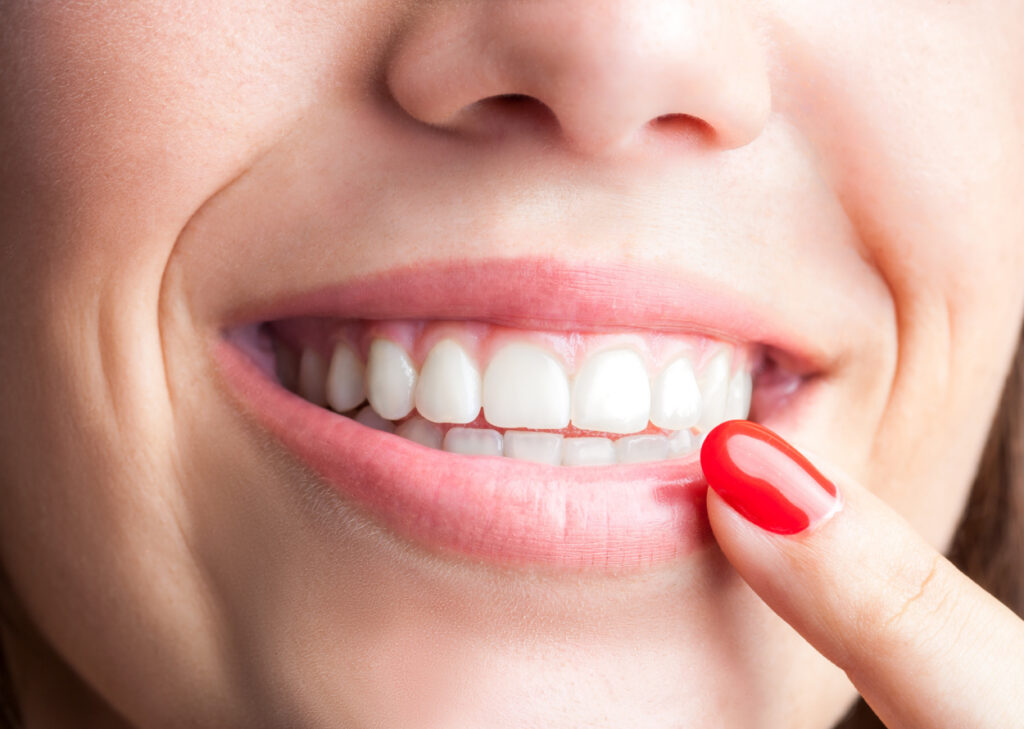
A deep bite can look deceptively simple in the mirror. Many people notice that their top front teeth cover too much of the lower front teeth when they smile, and they assume it is only a cosmetic issue. In practice, a deep bite often has functional consequences that show up slowly: chipping on the lower incisors, wear on the back of the upper front teeth, jaw fatigue, gum irritation behind the upper teeth, or a smile that feels tight and collapsed. For some patients, the first sign is not appearance at all. It is the moment a dentist points out that the teeth are literally grinding into each other in places they should not.
So, will Invisalign work for deep bite correction? Often, yes. But not always, and not in the same way for every patient.
That distinction matters. Deep bite correction is one of those areas where clear aligners can perform very well in the right case and disappoint in the wrong one. The result depends on the cause of the deep bite, the age of the patient, the amount of crowding or spacing, the shape of the teeth, the bite on the sides, and whether the treatment plan is designed by someone who understands bite mechanics rather than just tooth straightening.
What a deep bite actually is
A deep bite, sometimes called an excessive overbite, means the upper front teeth overlap the lower front teeth more than ideal in the vertical direction. A mild overlap is normal. Teeth are meant to fit together with some vertical coverage. The problem starts when the overlap is so pronounced that the lower front teeth are barely visible, strike the tissue behind the upper teeth, or show clear wear.
In a healthy bite, the front teeth guide certain movements, but they should not lock the jaw into a cramped position. With a deep bite, that balance can be lost. I have seen patients in their late twenties with front teeth that already look flattened from years of heavy contact. I have also seen patients in their fifties who assumed their “small teeth” were genetic when the reality was decades of bite-related wear.
Deep bites are not all built the same way. Some are skeletal, meaning the jaw relationship contributes heavily. Some are dental, meaning the teeth have erupted or tipped in ways that create excessive overlap. Many are mixed. That is why two people can both hear “you have a deep bite” and need very different treatment strategies.
Where Invisalign fits in
Invisalign can absolutely be used to treat many deep bites. In fact, aligners offer some advantages that are particularly useful for vertical correction. Because the plastic covers the chewing surfaces of the teeth, it creates a temporary thickness between the arches. That can help reduce the heavy interlocking contact of a deep bite and make certain corrections more feasible. Aligners can also be programmed to intrude front teeth, extrude back teeth selectively, level the curve of the arch, and coordinate the upper and lower arches with a fair degree of control.
The key phrase is “can be programmed.” A set of trays does not correct a deep bite by default. The treatment plan must intentionally target the vertical overlap. If the plan is focused only on crowding or cosmetic alignment, the deep bite may improve only a little, or in some cases become more obvious.
This is one reason patients sometimes say, “My teeth look straighter, but my bite still feels off.” Straight teeth and a corrected bite are not always the same endpoint.
How Invisalign corrects a deep bite
There are a few different mechanics involved, and most successful cases use a combination rather than a single move.
One common strategy is intrusion of the upper and lower front teeth. Intrusion means moving those teeth slightly upward into the bone so they do not overlap as much vertically. With braces, true intrusion can be tricky. With aligners, it can be efficient when attachments, staging, and anchorage are planned well. Even a millimeter or two can make a meaningful difference in function and appearance.
Another approach is to bring the back teeth into better vertical position. In some deep bite cases, the posterior teeth are relatively under-erupted, or the arches have collapsed in a way that leaves the front teeth taking too much of the load. Carefully opening the bite in the back can reduce the front overlap and distribute forces more evenly. Aligners can help here because the trays themselves act like bite platforms during treatment.
There is also arch leveling. A pronounced curve of Spee, where the lower arch rises steeply from molars toward incisors, often contributes to a deep bite. Flattening that curve by repositioning several teeth together is a standard part of treatment. This may sound technical, but clinically it is one of the most important steps.
Then there is inclination, the forward or backward tilt of the front teeth. Sometimes a deep bite is exaggerated because the upper incisors tip inward, or the lower incisors tip inward, or both. Correcting that angulation can reduce the overlap and improve lip support at the same time.
The best Invisalign plans for deep bite correction rarely rely on one trick. They are layered, measured, and responsive to how the patient tracks through treatment.
When Invisalign tends to work well
Deep bite cases often respond well to Invisalign when the bite is primarily dental rather than severely skeletal, when the patient is still willing and able to wear aligners consistently, and when the treatment goals are realistic.
Adults with moderate deep bites and otherwise healthy teeth are often good candidates. So are teens, especially if the bite problem is caught before wear and gum trauma become significant. Patients who have mild to moderate crowding often see two benefits at once: straighter teeth and a bite that opens enough to reduce stress on the front teeth.
One pattern I have seen repeatedly is the adult patient who avoided treatment for years because they did not want braces, then finally starts aligners after a dentist documents progressive wear. Many of these patients do very well, especially if the side bites are reasonably stable and the treatment is managed by an orthodontist or an experienced Invisalign provider who pays close attention to vertical control.
When Invisalign may not be the best tool on its own
Some deep bites are too complex for aligners alone to predictably resolve. A severe skeletal deep bite, significant jaw discrepancy, short lower facial height, or a very strong pattern of clenching can make correction more difficult and retention more demanding. In these cases, Invisalign may still play a role, but sometimes as part of a broader plan rather than a standalone answer.
If the lower front teeth are already striking the palate hard enough to cause tissue trauma, the bite may need more aggressive control. If there is major overjet, missing posterior support, extensive restorations, or periodontal compromise, the planning becomes more nuanced. There are also cases where braces give the orthodontist more direct control over root position or extrusion mechanics.
That does not mean aligners fail in complex situations. It means complexity narrows the margin for error.
A patient with a severe deep bite and a very square, strong jaw musculature may track beautifully through the first several months, then need refinement after refinement because the bite wants to settle back. Another patient with worn lower incisors and thin gum tissue may technically be treatable, but the provider has to be careful not to move those teeth in ways that increase recession risk. These are judgment calls, not marketing questions.
The importance of attachments, elastics, and refinements
People often imagine Invisalign as a sequence of nearly invisible trays and not much else. For deep bite correction, that picture is incomplete. Many successful cases need attachments, those small tooth-colored shapes bonded to the teeth, to help the aligners grip and direct force properly. Without them, intrusion and root control can be less predictable.
Some plans also use elastics, especially if the front-to-back bite relationship needs coordination at the same time. Elastics can help settle certain contacts or support changes in the way the arches meet. Patients are sometimes surprised that their clear aligner plan includes these extras, but they are often what separates cosmetic straightening from true bite correction.
Refinements are common as well. Even with excellent planning, teeth do not always move on schedule. A lower incisor might lag. A canine may not rotate fully. The deep bite may improve 70 percent by the initial set of aligners and need a second phase to finish the vertical correction. This is normal. It should be framed as part of quality treatment, not as a sign something went wrong.
Compliance is not a side issue
If there is one factor patients consistently underestimate, it is wear time. Deep bite correction with Invisalign depends on sustained force. If aligners are worn 12 to 16 hours a day instead of the recommended 20 to 22, the bite changes become less predictable. Teeth may partially track, cosmetic alignment may seem acceptable, but the vertical goals often lag.
This matters because deep bite correction is usually less forgiving than simple minor straightening. You are not just lining teeth up in a prettier row. You are changing the way upper and lower teeth meet in three dimensions. That requires consistency.
Patients who succeed tend to have a practical routine. They put trays back in right after meals. They carry a case. They do not leave aligners wrapped in napkins at restaurants. It sounds mundane, but these habits drive outcomes more than glossy before-and-after photos suggest.
What treatment usually feels like
Most patients with deep bites notice something interesting in the first weeks of Invisalign: the front teeth do not crash into each other the same way because the plastic acts as a thin barrier. For someone used to a heavy locked bite, that can feel surprisingly relieving. Others describe the first few trays as odd rather than painful, a sense that the bite is floating or changing.
Pressure is normal, especially with trays designed to intrude incisors or coordinate the arches. Chewing soreness can come and go. Attachments may make trays harder to remove at first. Speech usually adapts quickly, though some people notice a temporary lisp. If elastics are added, expect another adjustment period.
The timeline varies widely. Mild deep bite correction may happen over several months. Moderate cases often take 12 to 18 months. More complicated cases can run longer, particularly if refinements are needed. Anyone promising a precise universal timeline for deep bite correction with Invisalign is simplifying a process that rarely behaves in such a tidy way.
What kind of results are realistic
A realistic goal is not simply “more lower teeth show.” The deeper goal is a bite that functions with less destructive contact, improved smile balance, and a more stable relationship between the front and back teeth.
Good results often include less vertical overlap, reduced wear risk, better incisor display, improved comfort when chewing, and easier long-term maintenance. For some patients, the visual change is dramatic. For others, it is subtle but meaningful, especially if the starting problem was more functional than cosmetic.
There are limits. Invisalign cannot change a patient’s facial skeleton the way growth modification or surgery can in selected cases. It cannot guarantee permanent stability if the underlying muscle pattern, parafunction, or missing tooth support remains unaddressed. And if front teeth are already badly worn, aligners can improve the bite but not restore lost tooth structure on their own. Restorative dentistry may still be needed afterward.
Retention matters more than most people expect
Deep bites have a habit of relapsing if retention is casual. That is not unique to Invisalign, but it is especially important in vertical correction. Once the bite has been opened and the front teeth no longer overlap excessively, the teeth and muscles need time to adapt to the new arrangement.
Most patients will need retainers long term. Nighttime wear often becomes part of the permanent routine. In some cases, fixed retainers on the inside of the front teeth may be recommended in addition to removable retainers, depending on the tooth positions and the original crowding.
If clenching or grinding is part of the picture, the retention plan should account for that. A patient who bruxes heavily may need a retainer design that balances tooth maintenance with protection. This is another area where a thoughtful provider makes a visible difference.
Questions worth asking before you start
If you are considering Invisalign for a deep bite, the quality of the consultation matters as much as the brand name on the box. A strong evaluation should go beyond “yes, we can straighten that.” It should address what is causing the deep bite, how the provider plans to correct it, and what limitations exist in your specific case.
A few practical questions can reveal a lot:
- Is my deep bite mainly dental, skeletal, or a mix of both?
- Are you planning to intrude front teeth, open the bite in the back, or both?
- Will I likely need attachments, elastics, or refinements?
- How will retention be handled so the bite does not collapse again?
- Do my worn teeth or gums change the treatment approach?
Notice that none of these questions are about getting the lowest price. That is intentional. Deep bite correction is one of those treatments where a bargain plan can become expensive if it leaves the bite unresolved and tooth wear continues.
A note on “Invisalign providers” and experience
Not every clinician who offers Invisalign approaches deep bite cases with the same depth of planning. Some general dentists do excellent aligner work and know when to refer. Some orthodontists build their practices around complex bite correction and see vertical problems every day. Others focus more on simpler cosmetic alignment.
The difference usually shows up in the details. Experienced providers discuss overbite and overjet separately. They review photos of incisor display, tissue contact, wear patterns, and side-bite support. They talk about the possibility of refinement from the start. They do not promise magic just because the trays are modern and discreet.
When I hear patients say, “I was told Invisalign can fix anything now,” I usually translate that into, “I need a second opinion before I commit.”
Cost, value, and why deeper cases often cost more
Fees vary by region and case complexity, but deep bite correction typically costs more than a minor cosmetic alignment case because it demands more planning, more monitoring, and often more refinement. That is true whether you choose Invisalign or braces. The number of aligners alone does not tell the whole story. What you are paying for is the biomechanics, the supervision, and the accountability if teeth do not move exactly as predicted.
There is also the value side of the equation. If treatment prevents ongoing chipping, gum trauma, and progressive wear, it may save substantial restorative expense later. A set of veneers or crowns placed onto an unstable deep bite is rarely money well spent. Bite first, cosmetics second is often the more durable sequence.
So, will it work?
For many patients, yes, Invisalign can work very well for deep bite correction. It is especially effective when the problem is moderate, the treatment is carefully designed, and the patient wears the aligners as prescribed. The technology is capable. The trays can intrude incisors, level arches, coordinate https://pastelink.net/hjyix4nq bites, and create meaningful vertical improvement.
But capability is not the same as certainty. Severe skeletal patterns, heavy grinding habits, periodontal limitations, or poorly planned treatment can reduce the chances of a stable result. Some cases need braces. Some need interdisciplinary care. Some need a frank conversation that aligners can improve the bite, but not perfect every aspect of it.
The best way to think about Invisalign for deep bite correction is as a sophisticated tool, not a guarantee. In skilled hands, for the right case, it can be an excellent one.
Omni Dental Specialty
Address: 1690 E Gonzales Rd, Oxnard, CA 93036
Phone number: +18053666000
FAQ About Invisalign
How much does Invisalign actually cost?
The out-of-pocket cost for Invisalign typically ranges between $3,000 and $8,000, with most patients paying a national average of roughly $5,100 to $5,700 before insurance.
What is the downside to Invisalign?
The biggest downsides to Invisalign are the intense discipline required to wear the trays 22 hours a day, the inconvenience of removing them to eat or drink, and the inability to fix severe, complex orthodontic issues.
Is $5000 a lot for Invisalign?
No, $5,000 is not considered a lot for Invisalign; it is exactly the national average. Treatment costs typically fall between $3,000 and $8,000, and $5,000 is the standard fee for a moderately complex case that takes 6 to 18 months to complete.